Bird Friendly Communities
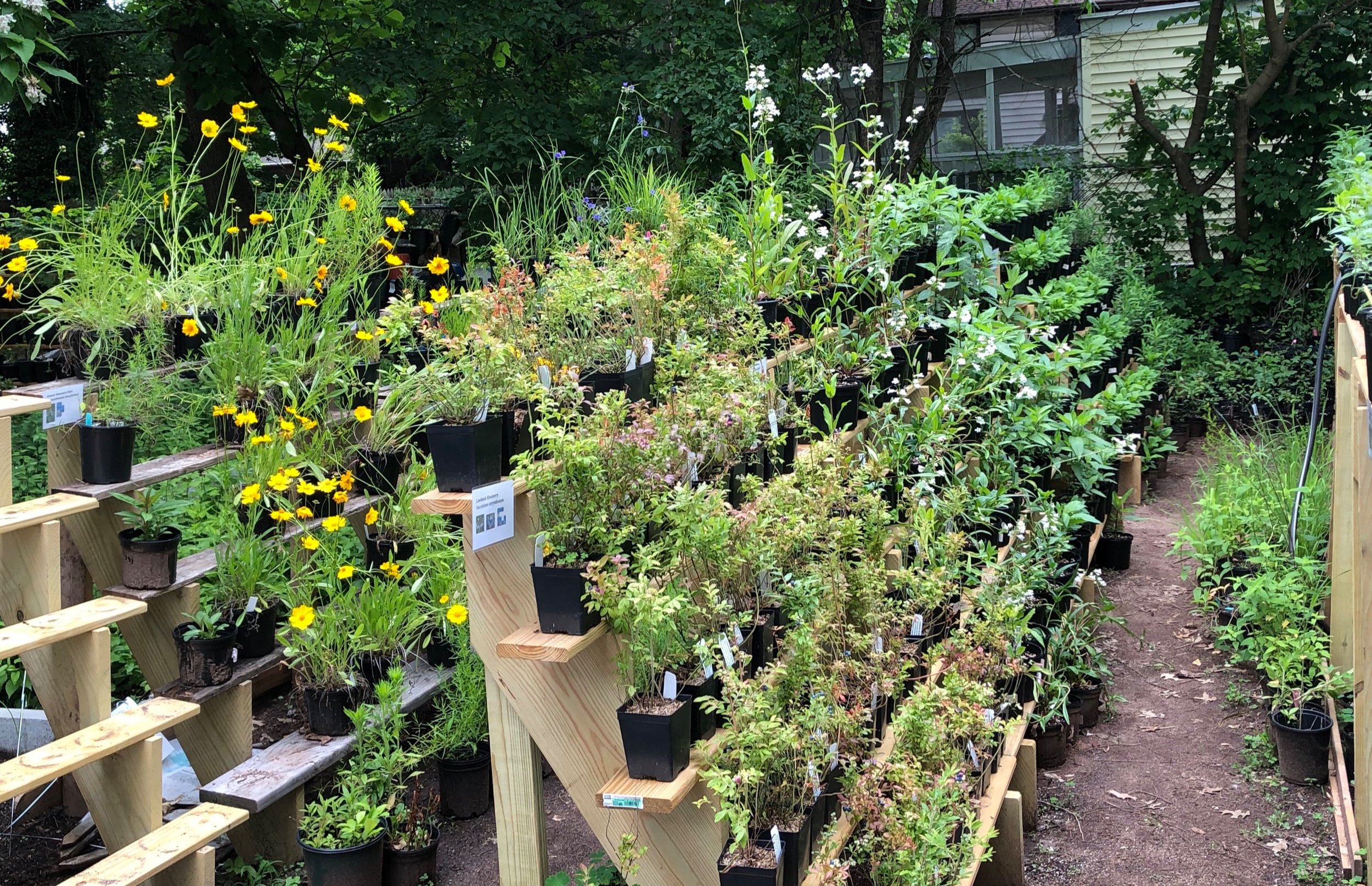
Gardens are outdoor sanctuaries for birds, insects, and other wildlife. Native plants are best at providing what they need.
Menunkatuck Audubon Society
Supporting measures to protect wildlife and the environment
Gardens are outdoor sanctuaries for birds, insects, and other wildlife. Native plants are best at providing what they need.
Every February, for four days, the world comes together to celebrate birds during the Great Backyard Bird Count (GBBC). During this period, we invite people to spend time in their favorite places watching and counting as many birds as they can find and reporting their sightings. These observations help scientists better understand global bird populations before one of their annual migrations. Learn more about the GBBC in this short video.
Counting birds is as easy as 1, 2, 3.
Count birds anywhere you like for at least 15 minutes or as long as you want. Keep track of the types of birds you see and how long you watch.
Estimate the number of birds you saw of each species. For example, 5 Northern Cardinals, 3 American Crows. Large flocks can be difficult, but your best estimate is still helpful.
Submit your list(s) online at www.birdcount.org.
Put in a new checklist:
for each new day
for each different location
for the same location, same day, if you counted at a different time of day
Note: There are 3 ways to enter your bird lists at www.birdcount.org
If you've never taken part in the Great Backyard Bird Count before, or haven't done so since before 2013, you’ll need to create an account. The Merlin Bird ID app, eBird Mobile app, or eBird.org will guide you through the account setup process. You'll be asked to enter your name and email address, and to select a username and password. Providing additional profile details is optional.
The Shepaug Dam Bald Eagle Observation Area has provided visitors with views of wintering Bald Eagles for 30 years. The Shepaug Hydroelectric Station keeps the water below the dam to be ice-free in winter and the churning water brings fish close to the surface making it a place that Bald Eagles are able to find food in the coldest of winter.
We will be at the observation area for about an hour. There are no facilities besides porta-potties. Dress warmly in layers. Bring lunch, binoculars, and cameras.
The drive time between Shepaug Dam and the Menunkatuck chapter towns is between 45 and 75 minutes.
Space is limited to 20 participants so reservations are required. For more information email Carl Harvey at carl@menunkatuck.org.
The southern tip of Africa is one of the greatest biodiversity hotspots in the world and attracts birders, botanists and mammal enthusiasts from around the globe. With a diverse array of endemic birds, classic African mammals, and a rich, unique botanical heritage, the multi-ethnic nation of South Africa stands out as a compelling destination for nature enthusiasts.
The Cape Peninsula, often called the "Jewel of South Africa," offers stunning, wild, rugged scenery that is home to penguins, ostriches, several types of antelope, and the unique "fynbos" vegetation. Further inland, the world-renowned Kruger National Park is one of Africa's largest game reserves and hosts lions, leopards, elephants, giraffes, and more than 500 bird species.
This program chronicles a journey from the Cape Peninsula to Kruger National Park, featuring vivid photos of birds, animals, and stunning landscapes. It describes what it's like to travel through this diverse and sometimes distinctly un-African country.
Gina Nichol has been a naturalist and birder for over thirty years. She first developed an interest in the natural world while growing up outdoors in rural upstate New York. In 2005, Gina founded Sunrise Birding, LLC to provide personalized, authentic, and affordable private and small group birdwatching and wildlife tours worldwide.